Wednesday, August 27, 2014

How To Buy Toys With Confidence and Make Informed Choices

I've been thinking about writing this post for a while now, and today's the day!  Ever since I started building The Ark's Youtube channel, I've been struck with all types of inspiration on how to keep shoppers informed about what's out there in toy land. 

While it's true that you can find nearly everything online, including in-depth toy reviews, that doesn't mean the content you're reading is credible and aimed at helping you make those informed toy purchases.  Yes, there are a lot of fake reviews out there.  In fact, last year Yelp and a slew of other companies (about 18 others) were dinged for publishing fake product reviews.  Not only does this harm the credibility of consumer review sites, but it leaves honest online shoppers with an uneasy feeling about the information they're reading.


However Google has been trying to do their part to gradually rid the web of spammy pages aimed at misleading web surfers, which opens the door for legitimate toy connoisseurs, passionate toy bloggers, and reviewers for their credible content to be seen. 

Luckily for us Arkians, we're oozing with toy suggestions, honest info, and the type of enthusiasm customers appreciate and need.  One of our goals online is to deliver that same customer service experience to parents and shoppers from across the globe.  We know not everyone can have that small toy store experience as more and more independent toy stores disappear, but social media gives us a chance to create our unique atmosphere right online for everyone to enjoy.

As mentioned earlier, one of the inspirations for writing this post came from the new Youtube channel I've been working on for the store.  In addition to making playlists linking to some of The Ark's favorite toymaker videos, I've also been creating and uploading the store's very own toy demo videos.  Youtube videos may have to be one of the best ways to make an informed decision about a toy, as there's nothing quite like seeing it in action to cement a decision.

Another great asset for confident toy buying is understanding the labels on the back of the box.  Just like food items, toys also have their own unique set of "nutritional facts."  When customers inquire about the quality of a product, I often talk about a company's attention to manufacture oversight (if it's being produced overseas) and I always point out that big CE logo.


So what does this "CE" logo actually stand for?  When a toy has this special marking, it means it has passed all European standards for toy design, manufacture and safety.  A toy can absolutely be made oversees in China and still qualify for this "quality seal of approval" if the manufacture oversight is exemplary and conforms to European toy standards.  In fact, a toy can't be sold in Europe without this "CE" qualification, making Europe's standards a definite authority concerning safety, material quality and toy design.  

The next time you stroll into a toy store looking for top quality gifts, remember to check out helpful YouTube channels and look out for special labeling that assures safety and quality.

Friday, August 22, 2014

Mommy Blogs You Should Be Reading Right Now

Okay Moms ROCK!  Not only are they fabulous customers, but Moms have some of the best suggestions, tips, and insight when it comes to kids toys.  As a toy store sales associate and blogger, their honest opinions and suggestions have helped diversify our toy selection and give us new angles to consider.

From the specifics of fine motor skill development to how kids truly react to certain toys, the feedback we've received from Moms have been invaluable to our lil' toy company.

Some of the most honest, useful, and even funny advice and parenting stories come from today's mom bloggers.  There's really too much to count, and we're always discovering new mom bloggers every week, so we wanted to introduce you all to some of our current favs of the moment.

So without further ado, we bring you Mommy Blogs that we love!

1.  Not Your Average Mom is pretty amazing.  Definitely not average and one of the funniest mom bloggers out there today.  While she has an awesome knack for infusing that signature humor into her writing, her work is also very insightful and profound, giving us a lot to think about on child raising and life in general actually.  You don't have to be a Mom to read and enjoy mommy blogs; in fact, some of the most enjoyable writing can be found on today's top mommy blogs.  This particular blog post is brilliant, and you can see why she made our list. 

2.  First Time Mom and Dad is a seriously wonderful blog that follows new parents, April and "first time dad" a.k.a FTD, on their exciting daily journey with their toddler.  Talk about a courtship that's made for the movies!  You can read all about how they met on their about page (trust me, it's a pretty awesome story!)  Since then, they've become one of the most enjoyable, stand-out Mommy AND Daddy blogs.  Providing everything from humor, to real talk, to parenting tips you can actually use, First Time Mom and Dad is a super great read.

Stay tuned for our next batch of Mommy Blogs we love to read!


Tuesday, August 12, 2014

Back To School Toy Guide For Teachers!

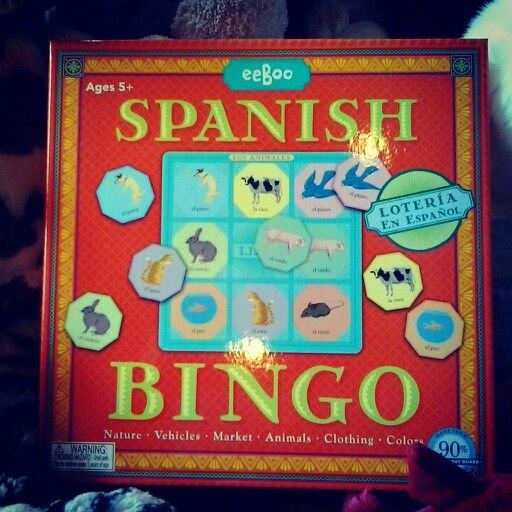
http://www.thearktoys.com/product/bingo-spanishBack to school season is officially here!  And while kids nationwide aren't throwing any back to school parades anytime soon, teachers can prepare for that exciting first day with charming educational technology and toys to fill their classrooms.

http://www.thearktoys.com/product/bingo-frenchEducational games like eeBoo's Spanish and French Bingo features whimsical illustrations that appeal to young children.  This inspires them to learn the basic Spanish and French vocabulary, while playing a fun, challenging game with their friends.

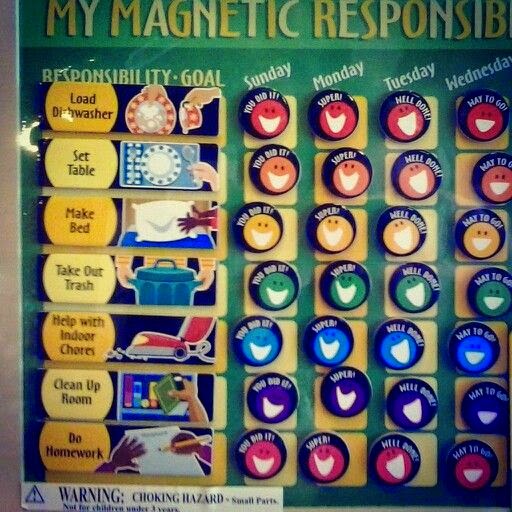
Magnetic wooden responsibility charts are a fun, interactive way to instill good work ethic in children, which crosses over into their at-home responsibilities as well; like doing their homework, washing the dishes, cleaning their rooms, and helping out the neighbors.

http://www.thearktoys.com/product/magnetic-responsibility-chartPreschool teachers have a lot of great PreK educational toys from wooden toy makers, Plan Toys, Hape, and Melissa & Doug.  It's always good to have imaginative toys on hand for recess or play time; play food sets like the basic four food groups, pizza party food, sandwich making kits, and popular cutting food sets are great for bringing kids together and inspiring creative ideas and storytelling!

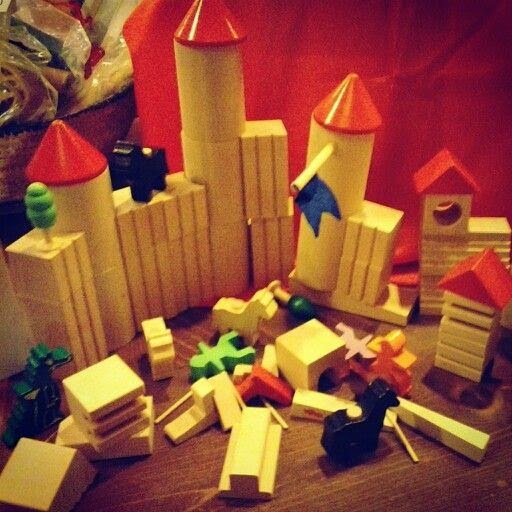
http://www.thearktoys.com/wooden-blocksAdding both colorful wooden block sets, as well as plain all-natural wood building blocks, to a preschool classroom can really motivate kids to explore early architectural ideas, creative planning, and their own imaginative ideas.  Natural wooden pieces are a signature part of any Waldorf Education inspired classroom too, as well as Waldorf-style soft dolls, brilliant imaginative play silks, and European made art supplies; such as all-natural modeling beeswax, crayons, and poster paints by Stockmar.


Any of these educational toys also make wonderful presents to give that favorite school teacher in your life.

And not so fast teachers, we have another blog post on the horizon about the benefits of cooperative games too.  So stay tuned for more!

Follow my blog with Bloglovin

Monday, August 11, 2014

How Toys Are Made: Watch Your Favorite Toy Makers At Work!

It's SO much fun watching toys being made.  It conjures up all that Santa's Workshop sentiment, along with an appreciation for trade, craftsmanship and creativity.  That's what's so great about the show How It's Made and all those great tutorial videos on YouTube.  Watching familiar, everyday objects like chalkboards, neon signs, and crayons being made from step one is really mesmerizing to watch.  These videos are great for kids because it helps develop a real appreciation and curiosity for making things.

Take it away!


Made in Germany, Haba Toys are known worldwide for their superior wood craftsmanship, as well as introducing a variety of important concepts aimed at improving logical thinking, dexterity, creativity, and problem solving, just to name a few.  This is one of our favorite toy videos.  Enjoy!


A CBS profile of San Francisco toy makers, The Original Green Toy Company.  We love this brand!  Not only are their toys made right in San Francisco, but they're made from 100% recycled plastic.  You can take them to the beach, camping, school, you name it.


A look at how Play-doh is made!  Every step has to be precise to get the right consistency and scent.


Does LEGO need an introduction?  This video is pretty cool.  Take a look at the "robot" factory behind your kid's favorite building toys.

Saturday, July 26, 2014

Looking Back At The Toys Of Yesteryear

http://upload.wikimedia.org/wikipedia/commons/5/55/Drawing_of_Vintage_Toys.jpg
Charming, whimsical toy stores reminiscent of Santa's Workshop are hard to find these days.  That's what's special about working for The Ark, especially here in San Francisco where it's really one of the few independent toy shops left.  So we like to keep that spirit of classic toys alive by carrying quality wood toys from Europe, local toys made in the USA, creative wooden block sets, Waldorf dolls, and all types of cool toys that veer on the timeless side.

These types of stores bring back memories of past toy shops for many, while introducing that same magic to a new generation of kids and parents.  Toys are more than just things, they're an experience.  Using the Museum of Childhood's amazing collection of historical children's objects,  lets take a look back and get to know some of history's favorite toys in this first entry of the "Toys of Yesteryear" blog series!

Turn Of The Century Dollhouses


http://www.museumofchildhood.org.uk/collections/dolls-houses-and-miniatures
Actually this insanely detailed dollhouse was made in 1890 and is noted for featuring some of the most advanced home technologies of the time; miniaturized of course.  Water heaters, knife cleaners, and bicycles are featured, while popular architectural spaces of the time like billiard rooms and in-home classrooms are also packed into this grand dollhouse.

Dominoes of Year's Past

Did you know Dominoes were first introduced in 13th century China?  And by the mid 18th Century, the game grew in popularity and made its way over to England from Italy where it took off ever since.  The very first dominoes sets were made from bone strips and ebony, then tightly fastened together with brass pins; these pins were known as "spinners" and they helped to support dominoes tiles so they could be placed upright.  

The most commonly played dominoes game is called the "block game."  It's most fun with at least four players participating.  Each player must draw seven dominoes tiles from the pile and place them upright so they stand freely on their own; however the tiles cannot directly face the opponents, just the edges of the tiles!


The first player who ends up with the "double 6" tile must place that tile on the table face up, which really gets the game going!  When players have tiles with the same number of spots, they must place those tiles next to dominoes already played.  The game ends when one person plays all of his or her dominoes tiles.  This same game is played together and enjoyed by kids, parents, AND their amazing grandparents. 

Stay tuned for Volume II of this very special blog series about cool toy history!


The Lowdown on Fine and Gross Motor Skills When Choosing Baby Toys

You've heard this term a lot, "fine motor skills", but how does it relate to babies and why is it important when choosing baby toys?  And to throw another curve-ball in there,  what's the actual difference between fine and gross motor skills? 

For starters, "fine motor skills" in babies refers to the small movements they exhibit early on.  These movements represent the beginnings of muscle coordination, as shown through small movements of the feet, toes, wrists, fingers, tongue, and lips.  The following examples fall under this umbrella:

  • The holding or "clutching" of small objects, such as holding a little spoon and clutching a baby beads toy or teether.  That's why baby clutch toys typically feature large wooden rings for grasping or tactile features like bumps and large shapes to improve grasping ability.

It's important to note that both fine and gross motor skills involve the development of muscle coordination, and they both grow together.  While fine motor skills in babies involve smaller movements like clutching and picking up toys, gross motor skills describe more physical movements like rolling over and sitting, and eventually more advanced large movements like crawling, walking, and running as children get older.

These motor skills continue to develop well past the toddler stage, into kindergarten, and beyond.  Gross motor skills continue to strengthen via sports and other outdoor physical activity, and mastering handwriting skills is just another continuation of fine motor skills for example.  

Developmental baby toys are designed to foster these motor skills and bring the two together early on, which also helps to improve early logical thinking!  

Pounding toys for example require large movements of the arms for pounding objects and smaller movements like picking up mallets.  And wooden Stacking, nesting, and sorting toys utilizes those smaller fine motor motor skills to improve logical reasoning like sequencing

To learn more about the relationship between motor skills and toys, check out our detailed online product pages, or visit our Baby & Toddler Pinterest Board for inspiration!


Tuesday, July 22, 2014

Get To Know The Timeless Stories of Elsa Beskow

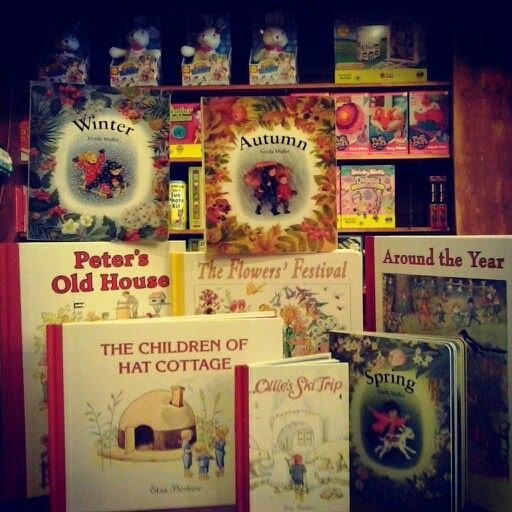
http://www.thearktoys.com/booksYou may have noticed in our Books section online that we carry quite a bit from Swedish author, Elsa Beskow.  What you might not know is that Beskow is one of Sweden's most beloved children's book authors and illustrators, producing such timeless works as The Sun Egg, Pelle's New Suit, and the delightful Woody, Hazel and Little Pip

Those are just a few of the many classic children's stories Beskow contributed over the years, and her work is regularly immortalized in such things as kids decor, baby dish sets, and photos albums, just to name a few.

Elsa Beskow worked prominently at the turn of century in Sweden and well into the 1940s, writing such classics as Peter in Blueberryland, Children from Solbacka, and Ollie's Ski Trip in between 1898 and 1907.  Later on, she went on to produce more storybook favorites like The Flower Festival in 1914, The Children of Hat College in 1930, and Peter & Lotta's Adventure in 1947.  

Her stories were often fanciful or whimsical in nature, typically introducing woodland characters like acorn or toadstool children, fairies, miniature people, and other imaginative characters.

Beskow was born in Stockholm, Sweden in 1874 and went on to study art education at the Konstfack University College of Arts, Crafts, and Design.  Before long, Beskow was already contributing to well-known Swedish children's magazine, Jultomten in 1914.

Elsa Beskow's whimsical children's stories are a big favorite of librarians, Waldorf Schools, Waldorf-inspired homeschooling, imaginative kids, and creative writers!